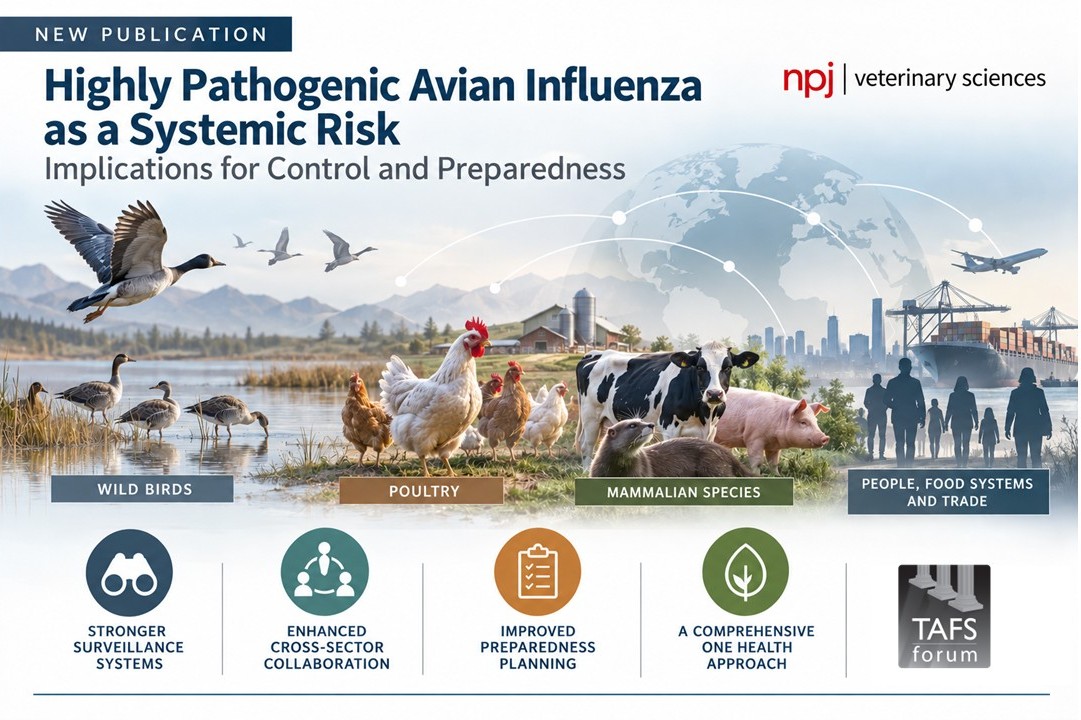
From episodic outbreaks to a structurally establishedsystemic risk
Highly pathogenic avian influenza (HPAI) has evolved from episodic outbreaks into a globally entrenched, multi-host panzootic, with recurrent spillover into mammals. Circulation in wild birds is sustained and widespread, with no clear seasonal or geographic containment. In Europe, the 2025 autumn wild bird migration period marked a critical tipping point: laboratory-confirmed detections were reported across 29 countries spanning all major migratory flyways, and the outbreaks notified between September and November represent a six-fold increase compared with the same period in 2024.
Beyond the expanding avian host range, more than 50 mammal species have been infected, and the establishment of the virus in dairy cattle in the USA marks the first documented instance of sustained transmission in a large domestic mammalian production system. Each infection event creates an additional opportunity for viral adaptation that may increase infectivity and transmissibility in mammals and humans. While current assessments classify the risk to the human population as low, this framing obscures the fundamentally non-linear nature of influenza risk.
Under conditions of continuous re-introduction from wildlife reservoirs, even stringent biosecurity measures face structural limitations. Repeated reliance on stamping-out delivers diminishing epidemiological returns while generating increasing and eventually unacceptable economic, animal welfare and societal costs. In this context, vaccination is increasingly recognized as a necessary complementary tool, most effective when embedded within a comprehensive package combining biosecurity, targeted surveillance and DIVA approaches. It is no longer a theoretical option, but its implementation raises challenges, including the potential emergence of vaccine escape variants and implications for international trade.
HPAI can no longer be framed as a sequence of episodic outbreaks controllable through classical emergency measures. The challenge is no longer the restoration of a disease-free baseline, but the maintenance of functional, credible and resilient food and health systems in the presence of an enduring HPAI risk, requiring resilience-based governance, strengthened surveillance under endemic conditions, and One Health principles embedded in decision-making.
Authors: Susanne Küker, Dirk U. Pfeiffer, Ulrich Kihmand Patrik Buholzer
Publisher: npj Veterinary Sciences
Date: October 2026
Access Open access Here
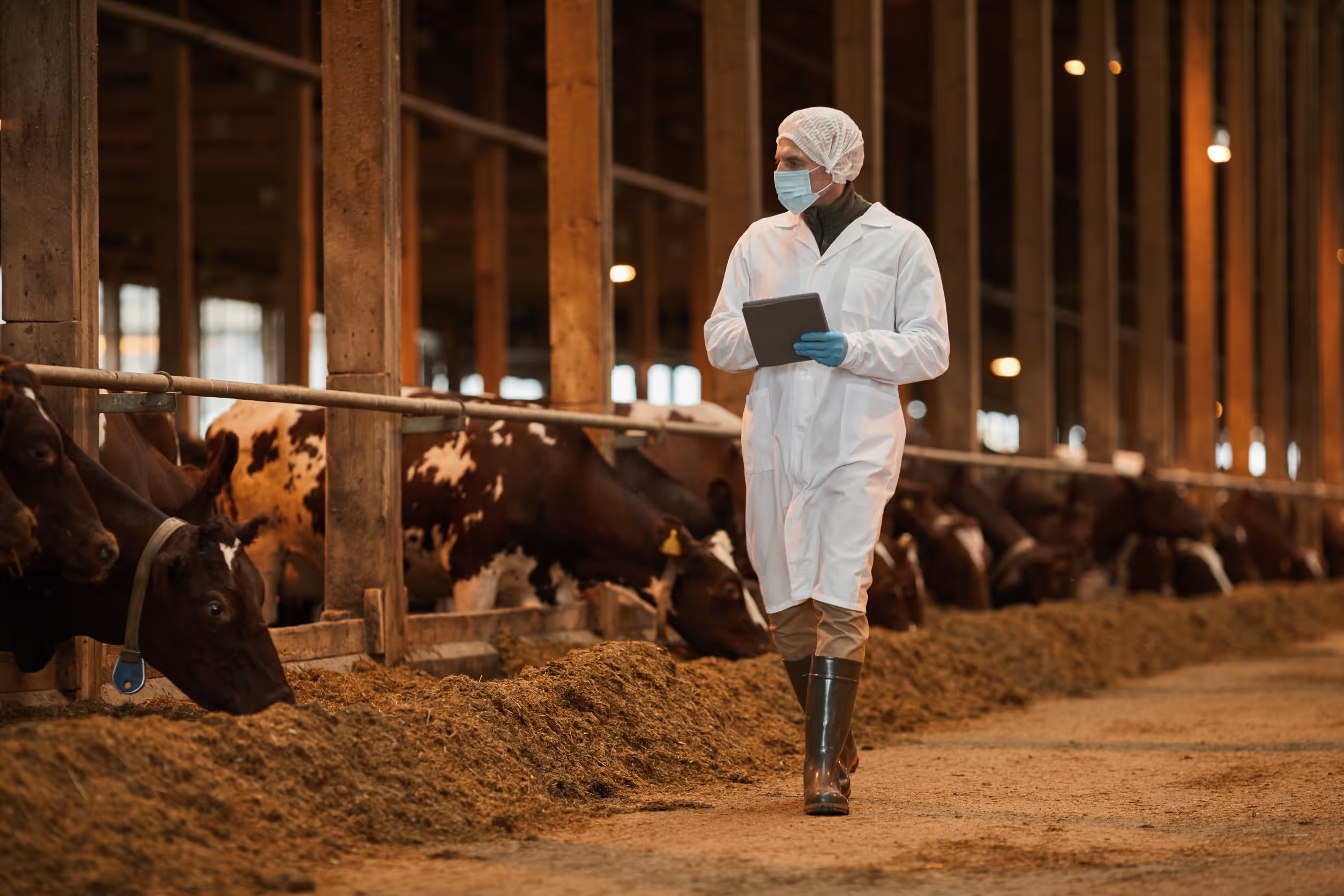
Since March 2024, the Highly Pathogenic Avian Influenza (HPAI) H5N1 outbreak in dairy cows has spread across multiple USA states and is linked to several human cases and cases in other mammals commonly found on farms. Given the spread of the disease, cow-to-cow transmission is highly likely, which highlights the need for strict biosecurity measures. Infected cows show reduced milk production and mastitis in over 90% of cases.
Infected cats, raccoons, and poultry found on affected farms likely contracted the virus from contaminate draw milk. Human cases are linked to direct exposure to infected animals, with mild symptoms reported. These outbreaks underscore the need for integrated One Health strategies, including wildlife monitoring, farm biosecurity, human health precautions, and stringent food safety measures to control the virus and protect both animal and human health.
Please find attached an overview of HPAI infections in cows and humans up to July 2024.
Recent modifications of wild bird’s migration patterns and likely genetic mutations of the Avian Influenza virus have increased its capacity replicate and to infect a broader range of bird species and mammals. Increasing the risk of viral transmission to humans.
During the season2021-2022, a record-breaking number of cases have been reported in Europe and in the United States, where the disease may have become endemic, and more than 100 million birds have been culled. Several technological and trade challenges are hindering the acceptance of vaccines as control tools. However, given that the spread of the disease shows no signs of slowing down and the increasing unacceptance for mass animal culling interventions, the European commission is exploring the possibility of developing a vaccination strategy and discussing the acceptability of vaccination in international trade.
See attached document for an overview of the Global situation related to Avian Influenza.
The TAFS forum is seeking new members. If you are interested, please contact us and describe what you might be able to contribute to the TAFS forum. We look forward to hearing from you.