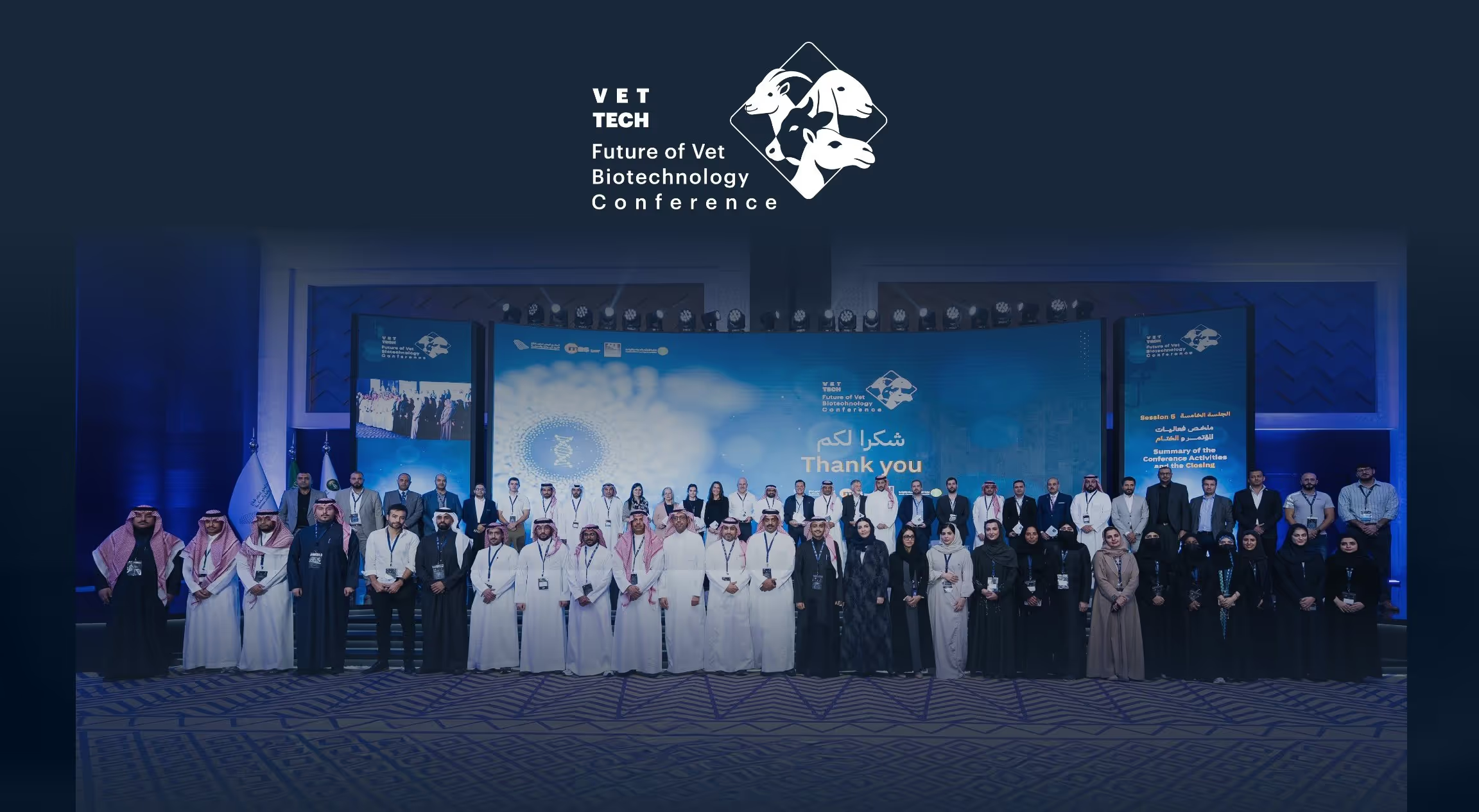
The VetTech Conference “Empowering Livestock Economies through Health Innovation and Technology”, held on 2–3 December 2025 in Riyadh, Kingdom of Saudi Arabia, brought together more than 200 participants from government, industry, academia, and international organizations. The event was jointly organized by the National Livestock & Fisheries Development Program (NLFDP), the Saudi Ministry of Environment, Water and Agriculture (MEWA), and the TAFS Forum.
With a focus on the Gulf region, and in the context of globally increasing animal disease risks, the conference provided a forward-looking platform to explore how scientific innovation and emerging technologies can strengthen animal health systems, support food security, and enhance economic resilience. Across four sessions, speakers emphasized the urgent need to shift from reactive outbreak response toward proactive, technology-enabled disease prevention.
Key takeaways from the conference:
One message resonated strongly throughout the conference:
Strategic investment in animal health is not a cost, but a high-impact investment that strengthens food security, trade, public health, and long-term system resilience.
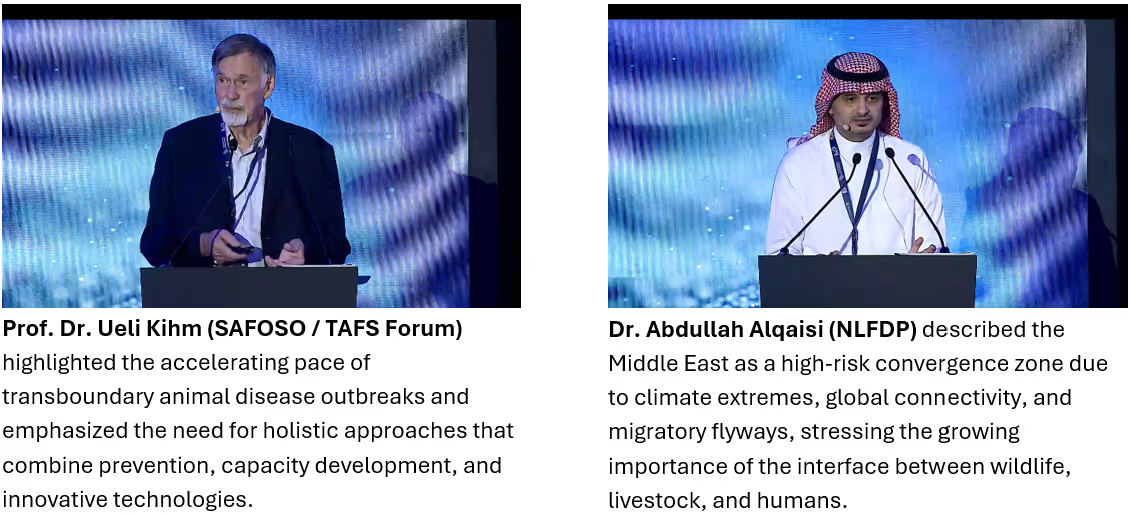
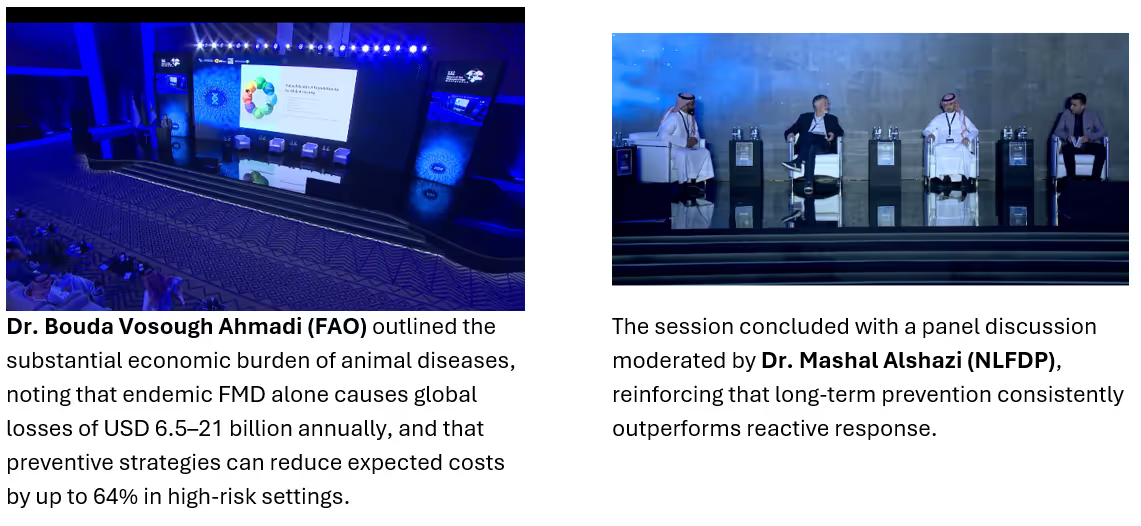
The opening session outlined the evolving global animal disease landscape and highlighted the economic case for sustained investment in prevention.
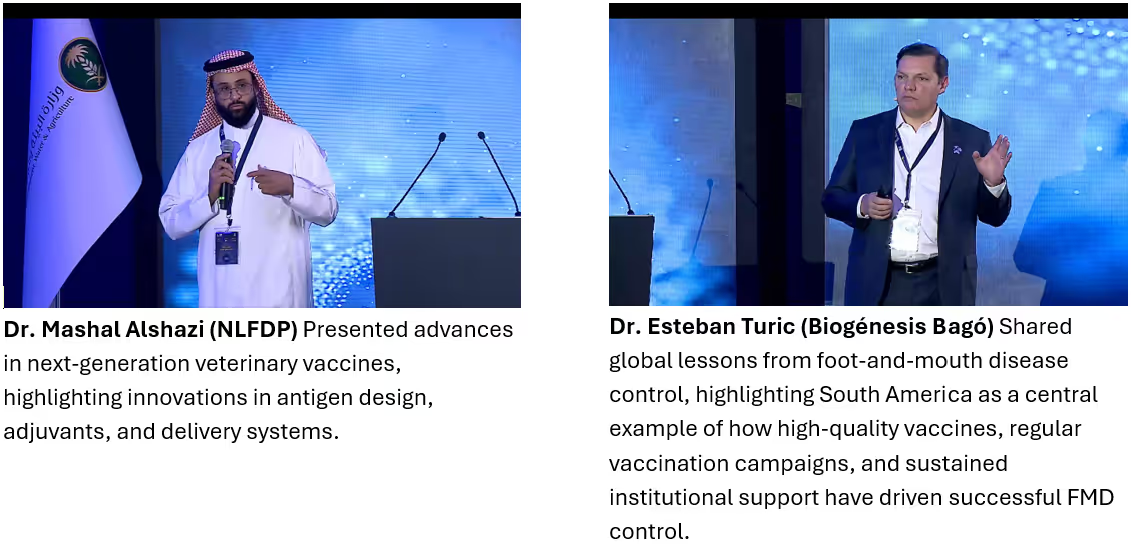
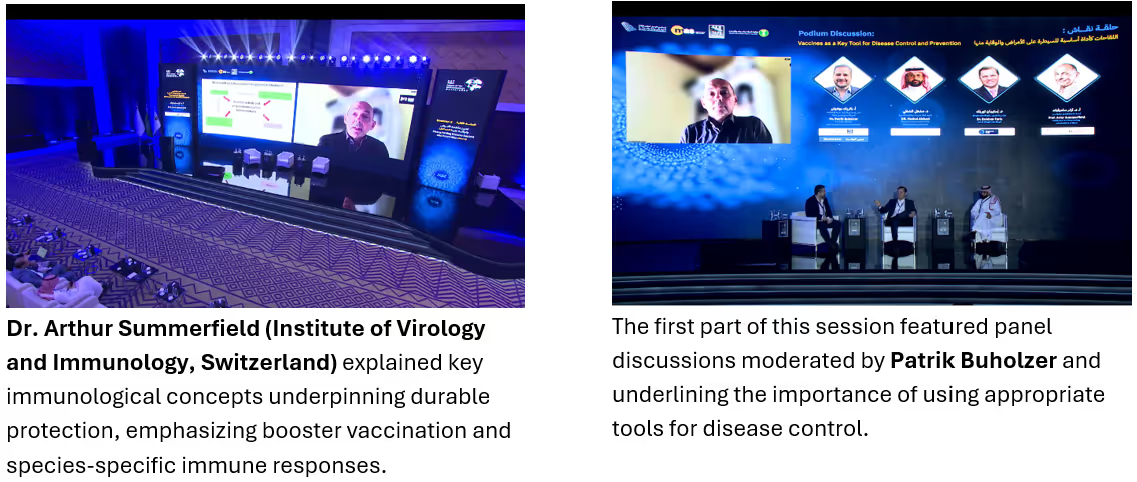
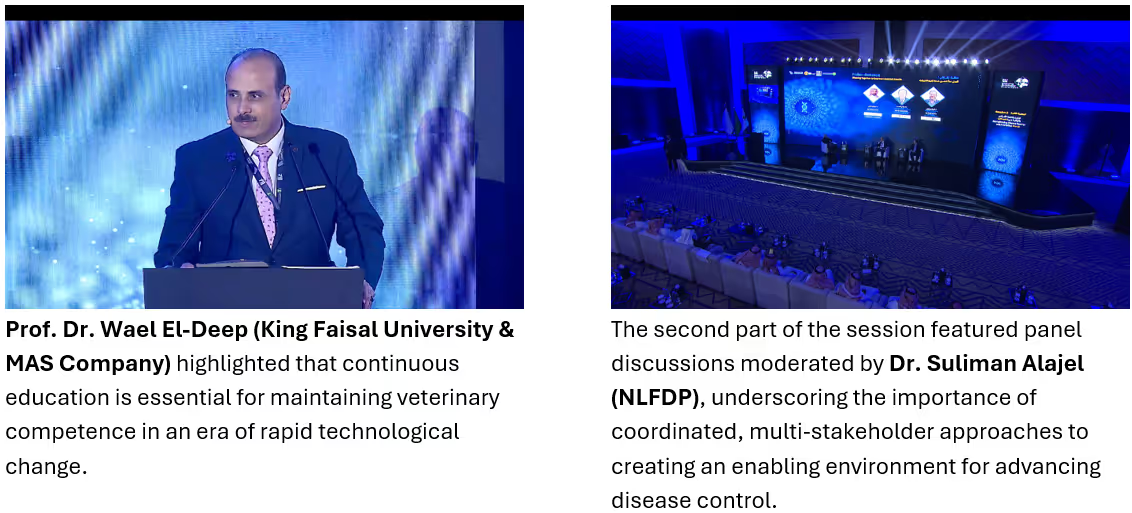
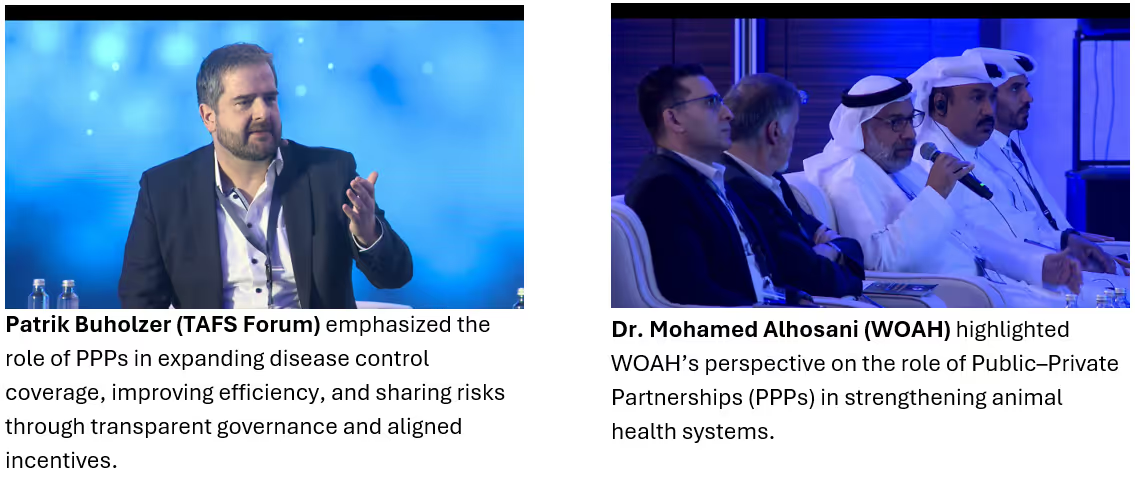
This session focused on the operational foundations of effective disease control: vaccination, workforce development, and collaboration.
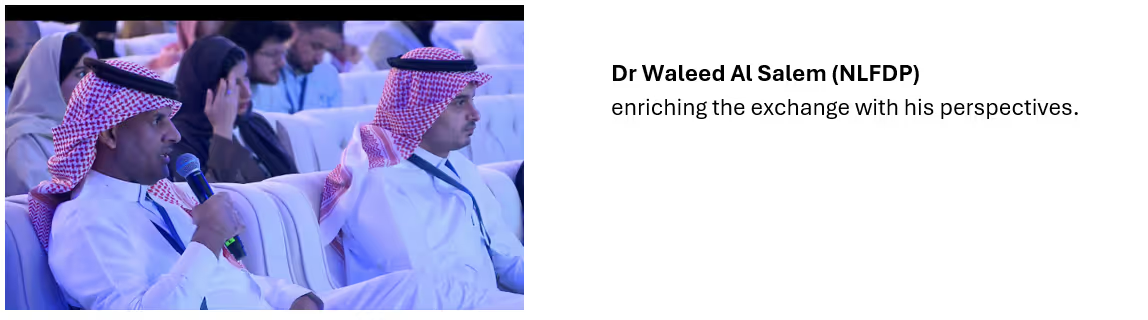
This session explored how diagnostics are moving closer to the field, enabling faster detection and more timely outbreaks response.
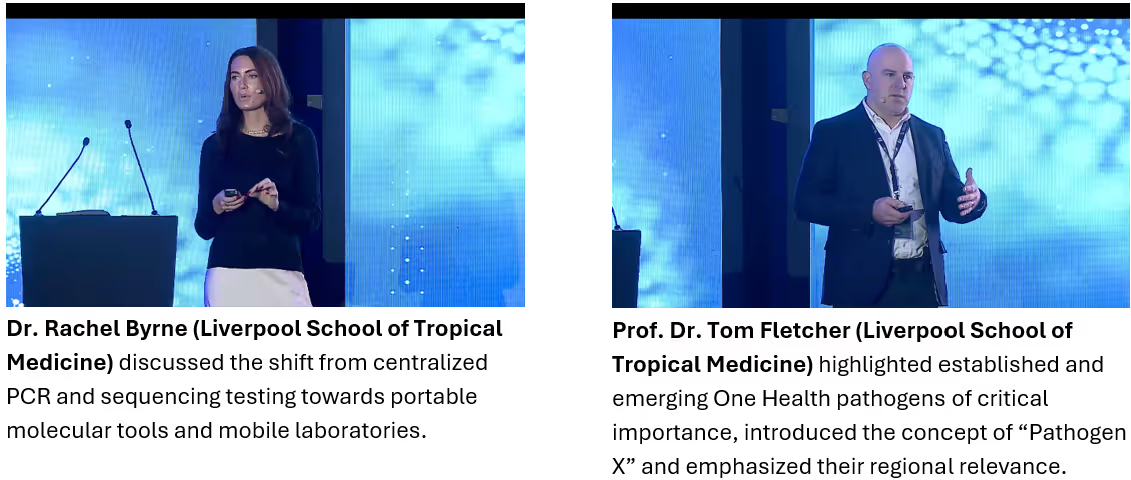
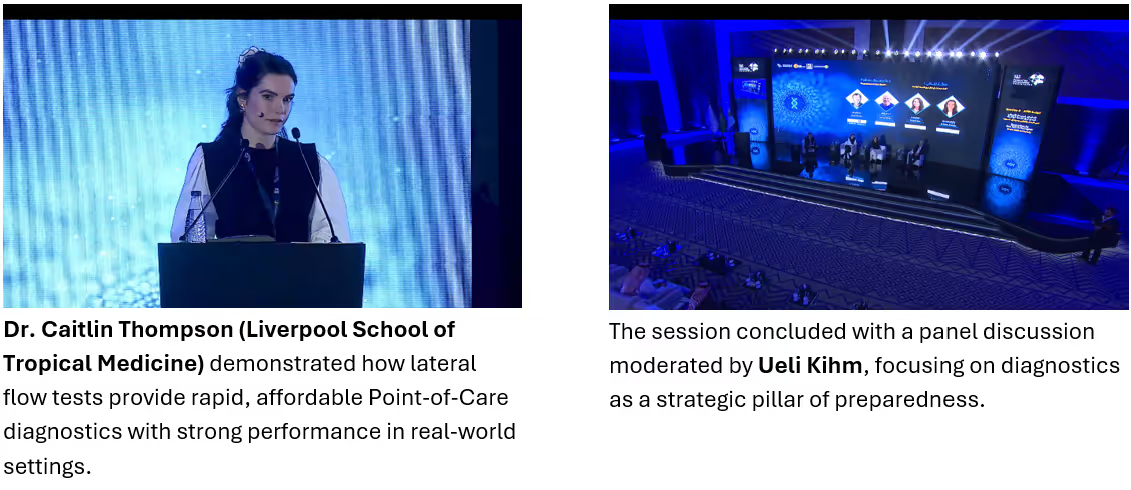
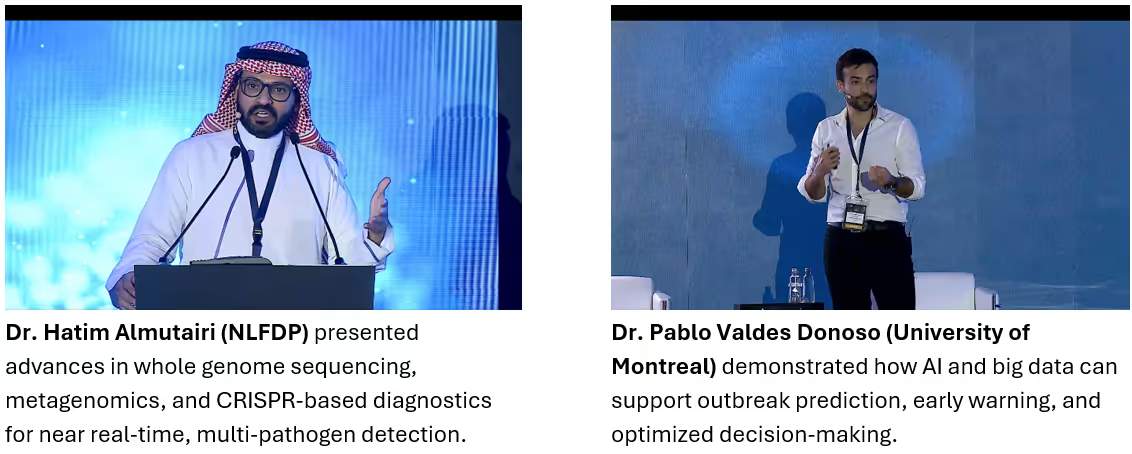
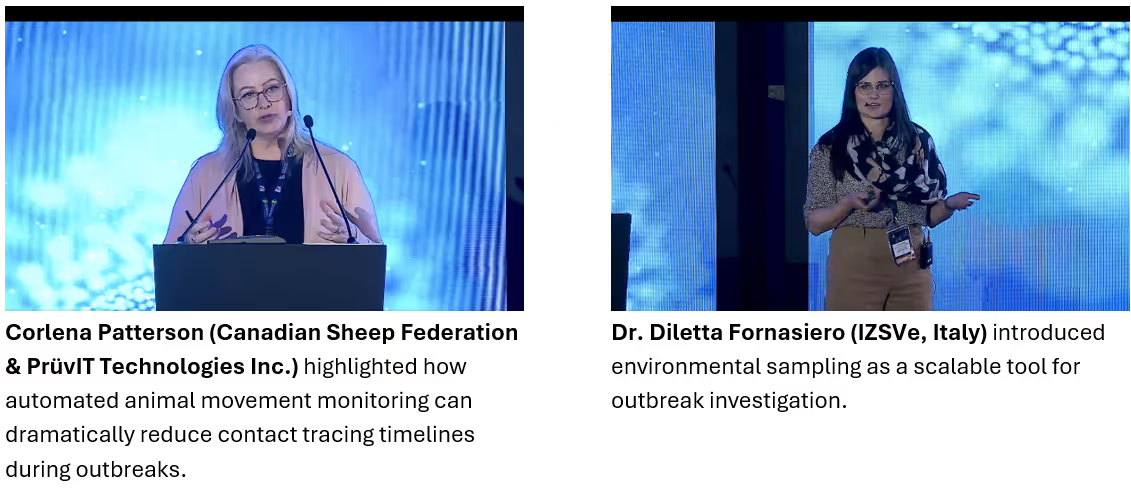
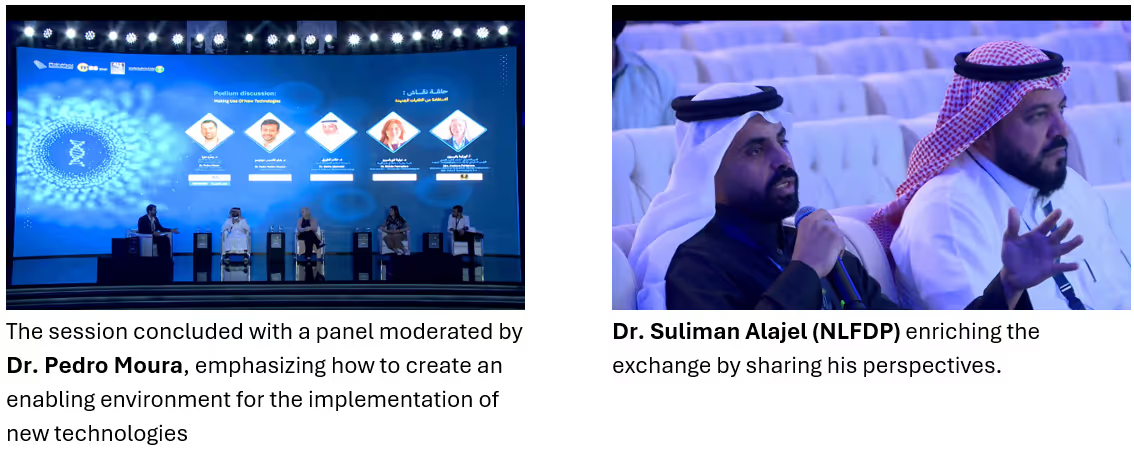
The final session showcased how digital tools, advanced diagnostics, data analytics and artificial intelligence are transforming disease surveillance and supporting more informed decision-making.
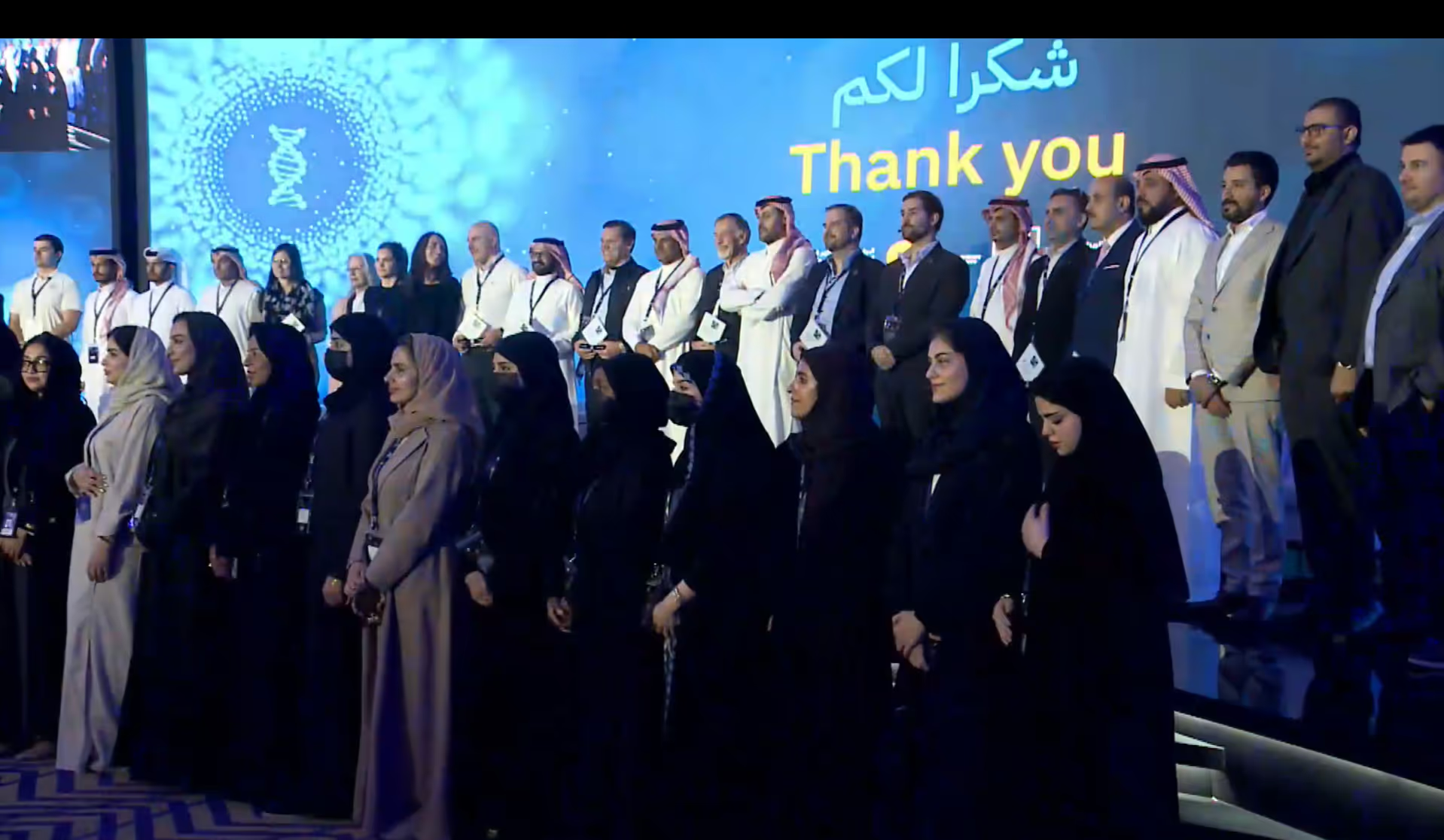
The VetTech Conference reaffirmed that animal health is a strategic investment, central to economic stability, food security, and public health. Participants consistently highlighted depends on a shift toward proactive prevention.
The conference also catalysed important discussions on innovative financing mechanisms, integrated One Health approaches, and the strategic use of biotechnology and digital tools to build future-ready animal health systems.
If you have any questions, please don’t hesitate to contact us.
Prof. Dr. Ueli Kihm: Global Animal Disease Trends and the Case for Investing in Animal Health
Dr. Bouda Vosough Ahmadi: Economic and Socioeconomic Impact of Animal Diseases
Prof. Dr. Arthur Summerfield: The Immune System: A Blueprint for Better Disease Prevention
Dr. Esteban Turic: The Role of Vaccination in Preventing Transboundary Animal Diseases
Prof. Dr. Wael El-Deep: Continuous Education and Training in Veterinary Medicine
Patrik Buholzer: Public–Private Cooperation in Disease Control and Prevention
Dr. Caitlin Thompson: Lateral Flow Tests for One Health and Point-of-Care Diagnostics
Dr. Hatim Almutairi & Dr. Suliman Alajel: Next-Level Diagnostics: From Genomics to CRISPR-Based Testing
Corlena Patterson: Monitoring Animal Movements for Rapid Outbreak Response
Dr. Pablo Valdes Donoso: Harnessing Data, AI, and Big Data for Animal Health
The TAFS forum is seeking new members. If you are interested, please contact us and describe what you might be able to contribute to the TAFS forum. We look forward to hearing from you.